
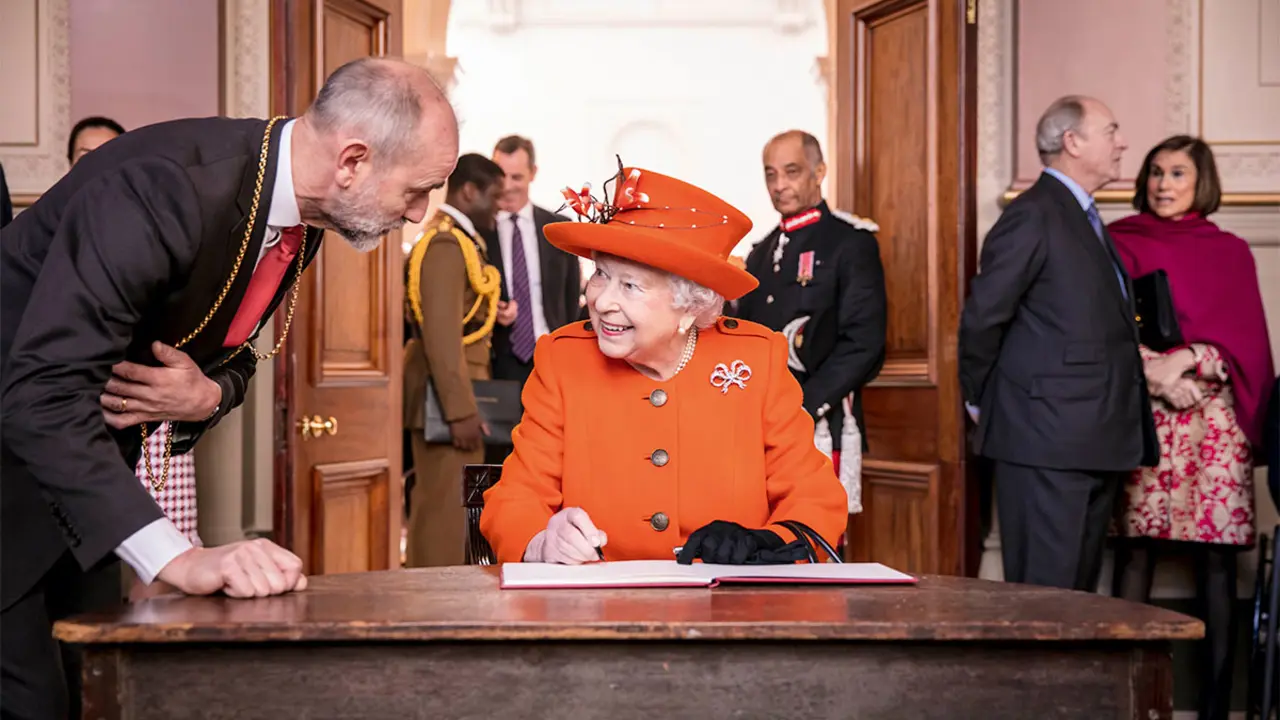
The management of royal protocols and ceremonial affairs is one of the fundamental disciplines that plays a vital role in organizing official events and communication between prominent figures. This field reflects the cultural and political traditions of nations, and helps strengthen relations between different countries and institutions.
Why Is Protocol Management Important?
- Strengthening international relations: organizing meetings between leaders and officials contributes to strengthening international cooperation.
- An organized framework: setting clear rules for conduct and expectations reduces the chances of error or misunderstanding.
- Showing respect: adherence to protocol is a mark of respect and appreciation for the figures present, which enhances the value of the event.
The Essential Elements of Protocol Management
- Planning: preparing a comprehensive plan covering every detail of the event, from venue and timing to required resources.
- Coordination: coordinating efforts among all parties involved, whether government or private entities.
- Logistical preparation: ensuring all arrangements are in place, from catering to transportation to technical equipment.
- Communication: issuing invitations, confirming attendance, and communicating with participants before and during the event.
- Execution: managing the event as it takes place and ensuring everyone's compliance with the agreed protocols.
Challenges Facing This Field
- Cultural diversity: differing traditions and expectations across cultures require genuine awareness on the part of those responsible for protocol.
- Sudden changes: unexpected last-minute changes can occur, requiring a high capacity for adaptation.
- Time pressure: large events often require tight schedules, which increases the pressure on the management team.
Training Pathways in the Field
A number of educational institutions offer qualification programs in the management of protocol and ceremonial affairs, covering areas such as the fundamentals of protocol management, official event protocols, the art of dealing with public figures, effective communication in protocol, crisis management at official events, and international protocols.
Conclusion
The management of protocol and ceremonial affairs is a vital field that requires a combination of skills and deep knowledge. With the growing importance of official events in our modern world, training and qualification in this field is becoming essential to ensuring the success of events and strengthening relations between nations and individuals.


