
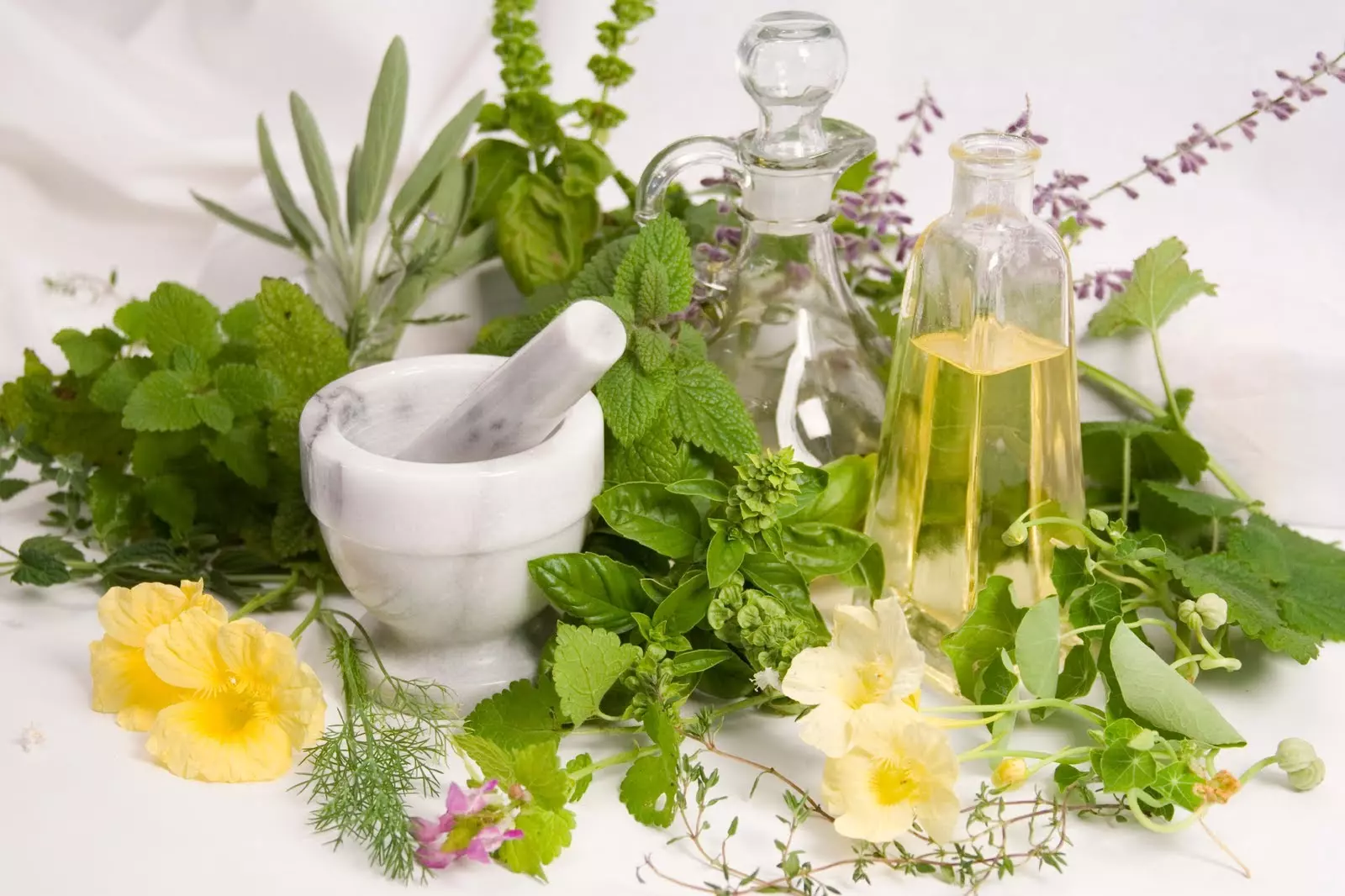
Treatment with herbs and natural plants isn't a new idea — people have been using it for thousands of years. Many plants naturally contain active compounds that help treat simple health issues, but moderation is always important, since some of them can cause side effects if used in large amounts.
Chamomile
One of the most well-known herbal plants, with many different varieties in flower color. It is used to:
- Treat spasms, reduce fever, ease stomach cramps, urinary tract infections, and headaches.
- Relieve menstrual pain and help heal stomach ulcers.
- As an external compress for rheumatism and gout pain.
- Strengthen hair follicles, and it's beneficial in cases of hair loss.
- Its flower oil helps with skin issues such as dryness and mild eczema.
Cloves
An antiseptic, carminative, and stimulant for both mind and body, with multiple uses such as:
- An antispasmodic that helps eliminate parasites.
- Used to treat skin sores and certain eye infections.
- Reduces fever, disinfects the stomach and intestines, and heals mouth sores and toothache.
- Has anti-inflammatory and antimicrobial properties.
However, overusing it can cause tissue damage and harm the liver, especially if used excessively as a local anesthetic for tooth pain.
Dates
Dates have high nutritional value and are considered one of the most important plants with health benefits:
- Strengthen muscles and nerves, and are excellent for anyone with a weak digestive system, especially when paired with milk.
- Help treat anemia and heart disease thanks to their iron content.
- Treat constipation thanks to their fruit sugar content.
- Reduce acidity and heartburn thanks to their alkaline salts.
- Help wounds heal faster thanks to their vitamin K content.
Conclusion
Natural plants offer real health benefits when used correctly and in moderation, and they are a core part of alternative medicine and general wellness and health care.


