
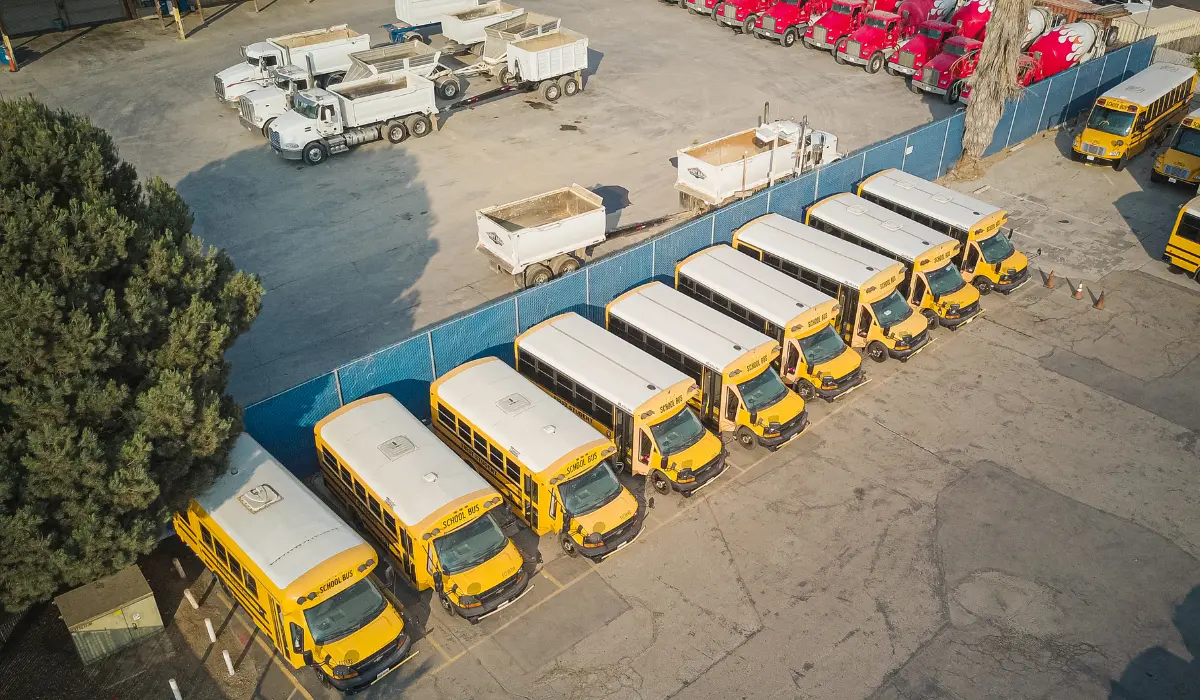
Fleet management in the logistics world isn't just about overseeing a group of vehicles — it's a complete system that monitors and coordinates the movement of cars and trucks responsible for transporting goods. Its core goal is to help logistics companies run their fleets safely and at the lowest possible cost, while maintaining service quality. A skilled fleet manager can improve delivery accuracy, customer satisfaction, and overall company performance, which is exactly why this has become essential rather than a luxury in supply chains that grow faster and more competitive by the day.
Why Fleet Management Is Essential in Logistics
Fleet management ensures that logistics operations run smoothly and on time, saving the company both time and cost. Without effective management, a company can lose significant money due to delivery problems, maintenance issues, or declining customer satisfaction. The more organized the distribution network is, the easier it becomes for the logistics manager to keep operations flowing within a tight schedule.
Core Components of Fleet Management
- Vehicle Tracking: Relying on GPS systems to know the location of every vehicle in real time, making it easier to make quick decisions if a delay or problem occurs on the road.
- Route Optimization: Choosing the best route based on distance, traffic, and delivery schedules, in order to reduce fuel consumption and ensure shipments arrive on time.
- Fuel Monitoring: Tracking consumption patterns and detecting any waste or misuse, which lowers costs and boosts profitability.
- Maintenance Management: Regular maintenance schedules that prevent sudden breakdowns and extend the vehicles' lifespan.
- Driver Performance: Monitoring driver behavior reduces accidents and risky driving, and opens the door to providing training and incentives for top performers.
The Difference Between a Fleet Manager and a Logistics Manager
A logistics manager oversees inventory and negotiates transportation rates, while a fleet manager is responsible for delivering that inventory on time, within budget, and with as little complexity as possible. This is achieved by monitoring routes, analyzing driver behavior, and using data to ensure goods are delivered to the right place at the right time, while maintaining the safety of the entire fleet.
Benefits of Good Fleet Management
- Cost Reduction: Operating vehicles efficiently, saving fuel, and reducing breakdowns channels money directly into the company's profits.
- Improved Delivery Time: Optimized routes and real-time tracking help maintain schedules, building long-term trust with customers.
- Extended Vehicle Lifespan: Regular maintenance reduces the need for early vehicle replacement.
- Safety and Compliance: Adhering to legal safety standards reduces the risk of penalties and makes audits easier.
Challenges of Fleet Management
Managing vehicles across different roads and multiple states requires constant commitment and smart tools. Among the most notable challenges are: some drivers resisting the idea of monitoring, fluctuating fuel prices that affect budget stability, and data issues resulting from inaccurate entry or system malfunctions, all of which require continuous review and updates.
The Future of Fleet Management
The future of fleet management is closely tied to technology; artificial intelligence, automation, and electric vehicles are reshaping the entire landscape. Predictive analytics will be used to anticipate maintenance needs, and self-driving vehicles could transform last-mile delivery services. Companies that embrace these innovations will always stay ahead.
The Role of the Arab British Fellowship Training Academy
The Arab British Fellowship Training Academy offers specialized training programs in logistics and supply chain management, helping professionals master modern fleet management methods and apply them confidently in their work environment. Fleet management isn't just about overseeing vehicles — it's a strategic function that improves cost, safety, environmental impact, and customer satisfaction, which makes adopting modern fleet solutions a key path to efficiency and resilience.


