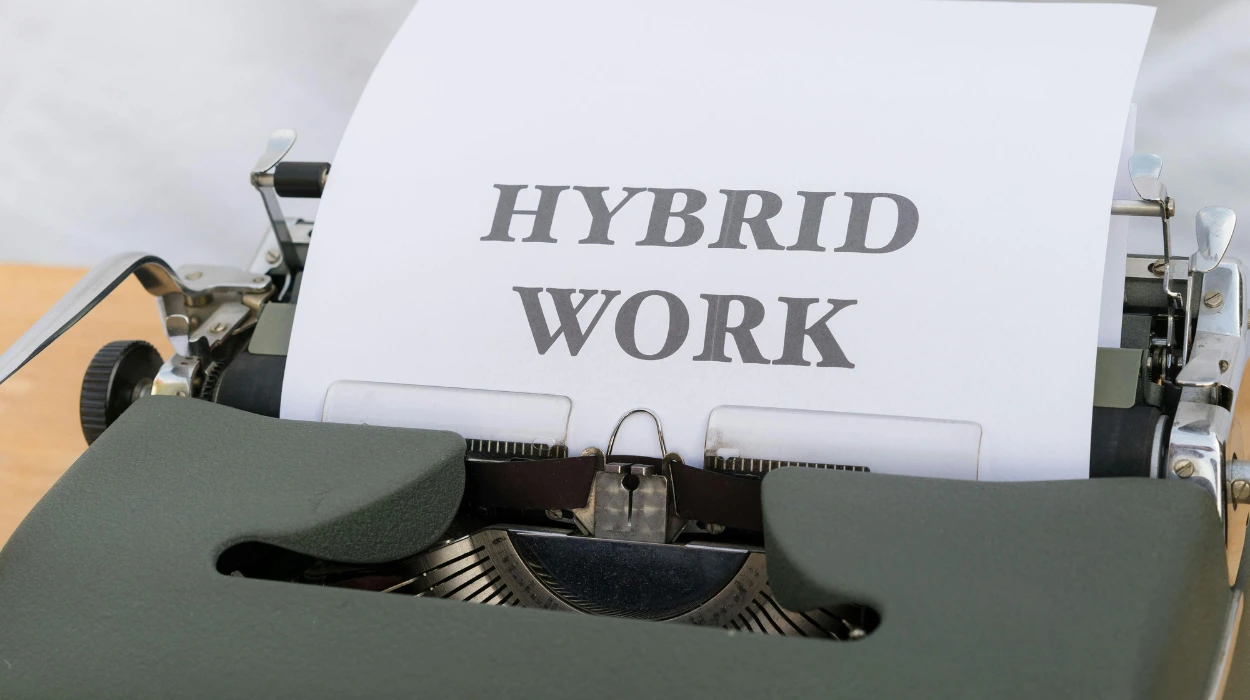
Modern Office Management Course: How does it prepare you for hybrid work?
Office management courses address the practical skills gaps that emerge as administrative work moves between the office and remote settings. Hybrid work can fragment administrative processes; a manager may work remotely while the administrative officer is in the office, and meetings may include participants across multiple locations. This increases the importance of structured coordination.
How is the curriculum built progressively?
It starts with the fundamentals of office organisation, then time management (prioritisation), then communication (transferring information accurately), then technology (digital implementation), then meeting management (applying skills to collaborative activities), and finally customer service (extending coordination to internal and external stakeholders).
What will participants learn?
- Office management fundamentals: organising activities by responsibility and priority, an essential foundation when employees aren't always in the same physical location.
- Time management and prioritisation: handling simultaneous requests from different managers and departments remotely.
- Effective communication: the growing reliance on written communication and digital meetings.
- Office technology: project management software and document management systems.
- Meeting management: becomes more complex when participants are in different locations — confirming attendance, distributing documents, and recording follow-up.
- Customer service: applying skills across phone, email, online meetings, and face-to-face interaction.
How does the course prepare participants for hybrid administrative work specifically?
Hybrid work doesn't create an entirely separate form of office management, but it changes how usual responsibilities are carried out. Task scheduling becomes more dependent on calendar accuracy, meetings need stronger preparation, and documents need reliable digital organisation. The course covers these core skills rather than limiting the training to a single platform or hybrid-specific software, which keeps the skills applicable across different organisations and technical environments.
How is the course delivered?
Practical, interactive learning through workshops and applied exercises. Training arrangements (format, duration, location, and language) depend on the chosen programme setup — it can be individual participation for professional development or participation by a full group of employees.
How are participants assessed?
Through their ability to apply administrative knowledge in practical situations — organising competing tasks, preparing a workflow for a hybrid meeting, or prioritising administrative requests. The goal is to determine the ability to apply skills in practice, not just recall definitions.
What outcomes can be expected?
Improved task organisation, clearer communication, better prioritisation, greater consistency in meeting coordination, and better use of office technology. Measurable indicators: fewer scheduling conflicts, improved quality of meeting preparation, and more accurate filing and retrieval.
Who is eligible to join?
Administrative specialists, secretaries, office coordinators, executive support staff, HR specialists, and team leaders — particularly those whose responsibilities are expanding to include coordination across multiple locations or changing work patterns.