Offshore Oil and Gas Operations: From Exploration to Transport
Offshore oil and gas extraction operations are among the most complex and high-risk projects in the energy sector. They play a vital role in meeting the world's energy needs, but they require precise planning, advanced technology, and a strong commitment to safety and environmental standards.
The Evolution of Offshore Oil and Gas Operations
Extracting oil and gas from the sea began in the late nineteenth century, with the first offshore oil well drilled off the coast of California in 1896. However, the technology truly advanced significantly in the mid-twentieth century, when drilling began in deep water. Thanks to technological innovations in the 1940s and 1950s, offshore platforms developed considerably, making it possible to work in waters that had previously been impossible to reach. Today, offshore operators work at ocean depths of up to 10,000 feet using floating facilities and advanced subsea systems.
Exploration and Drilling
Exploration is the first stage in the process, relying on advanced geophysical techniques such as seismic surveys to detect hydrocarbon reserves beneath the ocean floor. Once the target area is identified, exploratory drilling is carried out to confirm the actual presence of oil or gas.
The offshore environment requires specialized platforms, such as jack-up rigs for shallow water, and semi-submersible platforms or drillships for deep water. Advanced technology is applied on drilling platforms so they can withstand the harsh conditions of the offshore environment, such as high pressure and high temperatures.
Production
If exploration is successful, production facilities are installed to extract and process the hydrocarbons. Types of offshore production platforms include fixed platforms, Floating Production, Storage, and Offloading units (FPSOs), and subsea production systems. These facilities are designed to withstand harsh conditions such as hurricanes, high waves, and corrosion from saltwater, and they contain equipment to separate oil, gas, and water and compress the gas so it can be transported safely.
Transport and Storage
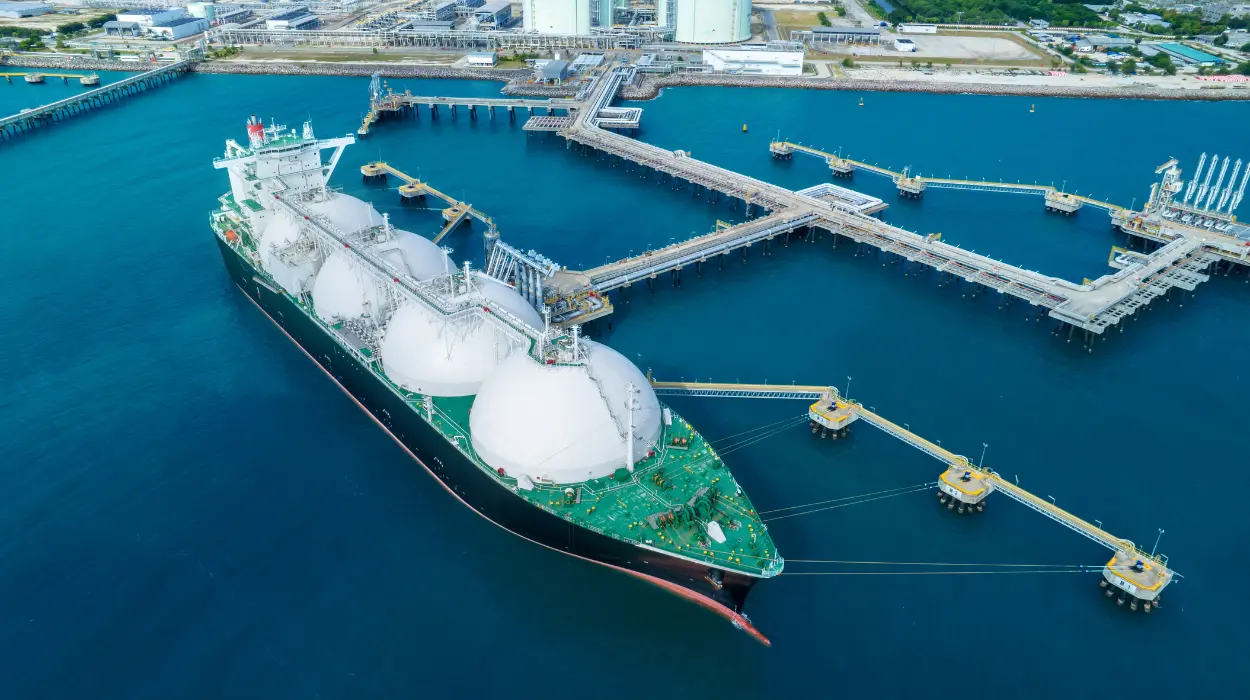
Hydrocarbons can be transported directly to onshore facilities via pipelines or by ship. Pipelines are best for transporting oil or gas over long distances, although they are usually laid on the seabed, which makes it a relatively complex technical process. If transport by pipeline isn't possible, hydrocarbons are stored and offloaded on FPSO platforms, which can process, store, and transfer oil and gas to shipping tankers, making operations possible even at remote offshore locations.
Environmental and Safety Risks
Offshore oil and gas exploration activities are inherently risky, because the marine environment is harsh and unpredictable. The effects of operational failures, such as the Deepwater Horizon disaster in 2010, along with leaks and spills, lead to catastrophic environmental impacts. For this reason, measures are taken to tighten safety protocols and implement the latest monitoring systems and emergency response plans to address these risks, alongside strict environmental regulations imposed by governments and international authorities on resource extraction.
Conclusion
Offshore oil and gas operations combine major technical and environmental challenges, requiring a blend of engineering expertise and strict adherence to safety standards. The Arab British Fellowship Training Academy offers a specialized training program in advanced oil and gas industry management to help you confidently understand the fundamentals of this sector.