Agriculture vs Horticulture: Key Differences and How They Connect
Agriculture and horticulture are among the most important sectors supporting humanity. Although both involve growing plants, they differ significantly in scope, techniques, and goals. Agriculture targets large-scale production of crops and livestock, while horticulture focuses on growing plants for food and aesthetic purposes.
What Is Agriculture?
Agriculture is the science and practice of cultivating soil and crops and raising livestock. It includes the production of grains, fruits, and vegetables, animal husbandry, forestry, and the use of technology to improve efficiency. Its importance is reflected in food security, economic development, employment, and providing raw materials for industry.
What Is Horticulture?
Horticulture is a branch of agriculture concerned with growing plants for food, medicinal, and aesthetic purposes, through fruit and vegetable gardens, flower cultivation, landscaping, and nursery management. It contributes to providing healthy food, improving the urban environment, and supporting biodiversity and tourism.
How They Connect
Despite being distinct fields, the two are interconnected. Horticulture uses plant breeding methods that benefit agriculture, innovations such as drip irrigation move from horticulture into agriculture, and horticulture also helps preserve plant diversity that benefits agricultural systems.
Notable Modern Techniques
- Precision agriculture: Using GPS, the Internet of Things, and drones to monitor soil health and improve water and fertilizer use.
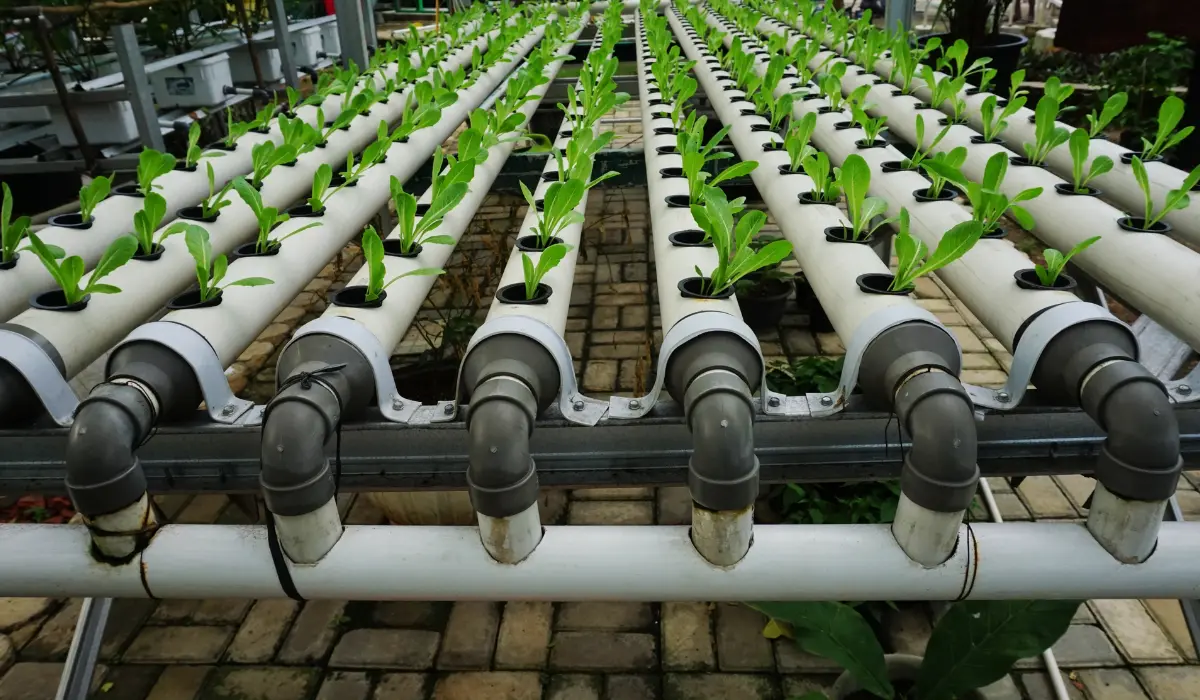
- Vertical farming: A revolution in urban horticulture, growing plants on multiple shelves to maximize the use of space.
- Biotechnology: Pest-resistant crops and tissue culture for faster plant propagation.
Key Challenges
Global warming and unpredictable weather, land degradation from overuse, the high cost of some horticultural practices, a shortage of skilled labor due to urbanization, and pests and diseases are all major challenges.
Toward Sustainability
Organic farming, urban agriculture on rooftops and in communities, agroforestry that combines trees with crops, and organic waste management for composting and biogas production are all trends supporting the sustainability of both sectors.
Economic Importance
Agriculture supports international trade in staple crops and provides jobs such as farm managers and agricultural scientists, while horticulture offers opportunities in landscaping and plant research, alongside a growing wave of tech-driven entrepreneurship in both fields.
The Future of Both Sectors
AI-driven smart farming, gene-editing tools such as CRISPR, sustainable urban green spaces, and continuous training programs will all shape the future of agriculture and horticulture.
Conclusion
Agriculture and horticulture are the foundation of human civilization, ensuring food security, economic prosperity, and environmental balance. Agriculture meets the needs of large-scale food production, horticulture enhances the beauty of life through nutrition and sustainability, and both sectors will continue to evolve alongside modern technologies.