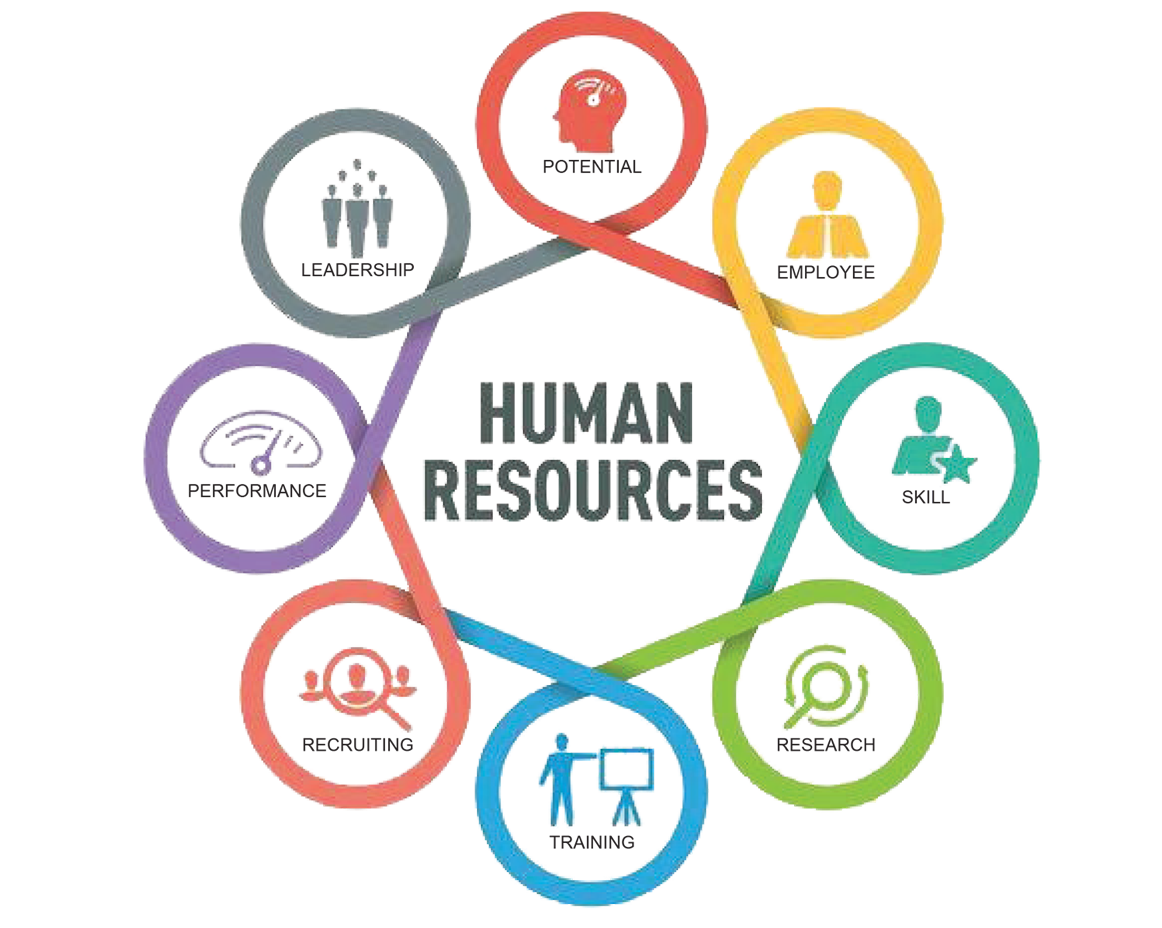
HR Manager Responsibilities
The HR manager plays a pivotal role in any organization, carrying multiple responsibilities aimed at boosting operational effectiveness and achieving the organization's strategic goals. This article looks at the most important tasks that fall on this manager's shoulders.
Strategic HR Planning
The manager must identify current and future staffing needs based on the organization's goals, which requires analyzing data, anticipating market changes, and setting effective recruitment plans.
Recruitment and Selection
Among the most important responsibilities are identifying the right candidate skills, conducting interviews, and using effective strategies to attract the talent the organization needs.
Performance Management
Setting clear standards for evaluating employee performance and providing regular feedback, which improves productivity and strengthens a high-performance culture.
Training and Development
Identifying actual training needs and designing programs that meet them, which raises employees' performance level and job satisfaction.
Compensation and Benefits Management
Understanding the market and setting an appropriate salary structure that keeps the organization attractive to talent while meeting the needs of current employees.
Labor Relations
Managing the relationship between employees and management, handling disputes in a balanced way, and ensuring compliance with labor laws.
Developing Organizational Culture
Understanding the organization's values and applying strategies that foster a positive work environment and a genuine sense of belonging among employees.
Using Technology in HR
Keeping up with modern HR management tools such as HRMS systems and analytics tools, in order to improve the efficiency of the department as a whole.
Conclusion
The HR manager's responsibilities require a diverse set of skills, from strategic planning to day-to-day performance management. Performing these tasks well plays a decisive role in developing the workforce and achieving the organization's goals.