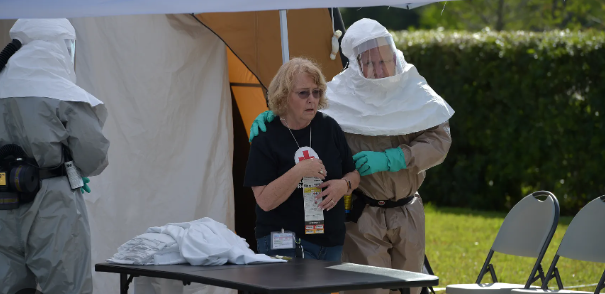
In an ever-changing world, the significance of emergency planning has become increasingly evident. Various threats, whether natural disasters like earthquakes and floods or human-induced crises such as security incidents and pandemics, necessitate effective preparedness strategies. The ability to respond swiftly and efficiently to these challenges is paramount. Emergency planning training courses play a vital role in equipping individuals and organizations with the necessary skills and knowledge to face such emergencies confidently. In this article, we will explore the importance of emergency planning and present 50 course titles related to this essential field.
Importance of Emergency Planning
Emergency planning goes beyond merely drafting written plans; it involves understanding risks, assessing potential impacts, and ensuring that individuals and communities are prepared for various emergencies. Here are some key reasons why emergency planning is crucial:
-
Risk Mitigation: Effective planning can significantly reduce the adverse effects of emergencies by establishing pre-emptive strategies.
-
Readiness and Response: Training empowers individuals to act decisively during emergencies, leading to quicker and more effective responses.
-
Rapid Recovery: A well-prepared plan allows communities to recover swiftly from disasters and restore normalcy.
-
Enhanced Collaboration: Effective planning fosters better coordination among various entities, whether governmental or non-governmental, to ensure a comprehensive response.
-
Awareness and Empowerment: Education and training increase public awareness of potential risks, enabling individuals to make informed decisions during critical times.
Course Titles for Emergency Planning Training
Here are 50 suggested titles for training courses focused on emergency planning:
- Fundamentals of Emergency Planning
- Rapid Response to Disasters: Effective Strategies
- Developing Evacuation Plans: A Comprehensive Guide
- Crisis Management in Organizations: Theory to Practice
- Preparedness in Educational Institutions for Emergencies
- Continuous Risk Assessment and Response Development
- Effective Pandemic Response: Building Capabilities
- Emergency Planning in the Healthcare Sector: Standards and Practices
- Crisis Communication Strategies
- Disaster Management in Urban Areas
- Disaster Relief: Key Steps for Action
- Community Recovery Strategies Post-Crisis
- Local Community Emergency Preparedness: A Comprehensive Model
- Social and Economic Impact Assessment of Disasters
- Emergency Planning for Major Events: Comprehensive Preparations
- Training Teams for Emergency Response: Tools and Techniques
- Risk Analysis in Emergency Planning
- Crisis Management in Government Institutions
- Emergency Planning in Various Work Environments
- Information Technology in Emergency Management
- Community First Aid Training
- Media Crisis Management: Effective Strategies
- Emergency Planning in Tourism and Hospitality
- Utilizing Technology in Crisis Management
- Emergency Plans for Small Businesses
- Emergency Planning for Sporting Events
- Swift Crisis Response: Team Preparation and Training
- Health Risk Management in Emergencies
- Psychological Recovery Post-Disaster: Effective Strategies
- Transportation Emergency Planning
- Improving Crisis Response: Practical Steps
- Cross-Sector Collaboration in Emergency Management
- Assessing Community Emergency Preparedness
- Rural Emergency Planning
- Financial Crisis Preparedness
- Natural Disaster Preparedness: Practical Drills
- Crisis Management Courses: From Basics to Advanced
- Environmental Impact Assessment of Disasters: Methods and Techniques
- Community Communication Strategies During Crises
- Emergency Planning in Higher Education
- Risk Preparedness Strategies for Environmental Threats
- Scenario Analysis in Emergency Planning
- Emergency Response Training for Mass Gatherings
- Crisis Management Strategies for Large Corporations
- Emergency Planning: Models and Applications
- Developing Effective Emergency Policies
- Case Studies in Crisis Management: Lessons Learned
- Training for Home Emergency Situations
- Emergency Planning for Schools and Educational Communities
- Evaluation and Continuous Improvement of Emergency Plans
How to Choose the Right Course
When selecting an emergency planning training course, consider the following factors:
-
Define Your Goals: Identify what you hope to achieve through the course, whether it’s increasing knowledge or improving specific skills.
-
Course Content: Ensure the course covers topics relevant to your needs and interests.
-
Duration: Choose a course that fits your schedule, whether it's a short or extended program.
-
Accreditation: Check if the course offers a recognized certification in the field.
-
Participant Feedback: Reading reviews and experiences from previous participants can help gauge the course's quality.
Emergency planning training courses are essential for individuals and communities facing an increasing array of challenges. Investing in education and training in this field can make a significant difference in our ability to respond to and recover from disasters. With the right approach, we can enhance safety and resilience, fostering communities that are better equipped to handle crises effectively.