
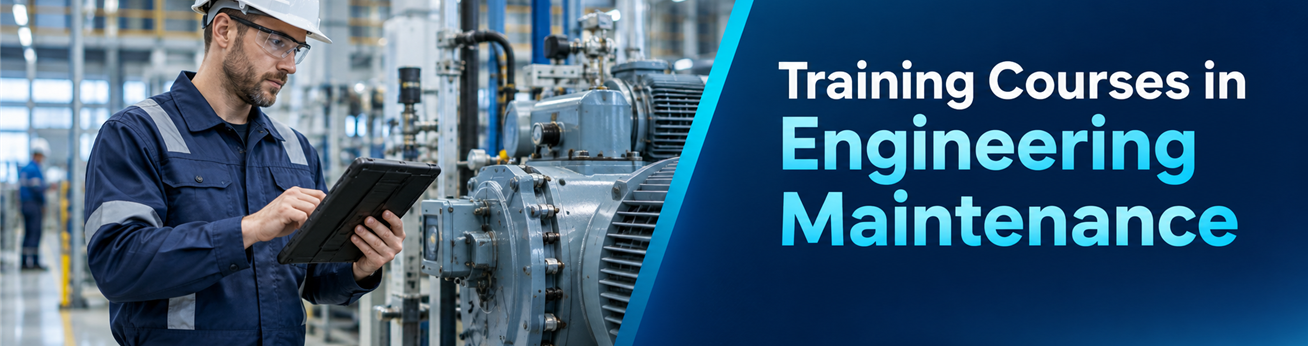
Maintenance engineering is an essential field aimed at ensuring the reliability, safety, and optimal performance of machinery, infrastructure, and industrial systems. It combines principles of engineering with technical skills in maintenance to keep operations running smoothly and reduce the likelihood of equipment failure. By systematically managing upkeep schedules, inspections, and repairs, maintenance engineering enhances productivity and extends the lifespan of critical assets, from industrial equipment and manufacturing systems to infrastructure and transportation systems.
Central to maintenance engineering is the goal of minimizing downtime while maximizing efficiency. Maintenance engineers play a critical role in industries like manufacturing, energy, aviation, and logistics. They oversee predictive maintenance, where equipment health is continuously monitored to predict when repairs will be needed, preventing sudden breakdowns. They also implement preventive maintenance strategies, conducting regular inspections and maintenance activities to avoid disruptions. These engineers work closely with data and diagnostic tools, applying cutting-edge technologies like IoT and AI to analyze equipment data in real-time, identify trends, and proactively address emerging issues.
Training Course in Smart Preventive Maintenance and Spare Parts Strategy
2026-10-19
2027-01-18
2027-04-19
2027-07-19
2027-10-18
2028-01-17
2028-04-17
2028-07-17
$4500
Training Course on FDA Medical Device Quality System Compliance
2026-10-05
2027-01-04
2027-04-05
2027-07-05
2027-10-04
2028-01-03
2028-04-03
2028-07-03
$4500
Preparing Your Organisation for the EU Medical Device Regulation (MDR)
2026-10-05
2027-01-04
2027-04-05
2027-07-05
2027-10-04
2028-01-03
2028-04-03
2028-07-03
$4500
MDR Essentials: A Practical Overview for Medical Device Manufacturers
2026-10-12
2027-01-11
2027-04-12
2027-07-12
2027-10-11
2028-01-10
2028-04-10
2028-07-10
$4500
Renewable Energy and Power Systems Engineering Training Course
2026-10-26
2027-01-25
2027-04-26
2027-07-26
2027-10-25
2028-01-24
2028-04-24
2028-07-24
$4500
Training Course in Offshore Wind and Marine Energy Systems
2026-11-09
2027-02-08
2027-05-10
2027-08-09
2027-11-08
2028-02-07
2028-05-08
2028-08-07
$4500
Training Course in the Hydrogen Economy and Clean Fuel Transition
2026-11-23
2027-02-22
2027-05-24
2027-08-23
2027-11-22
2028-02-21
2028-05-22
2028-08-21
$4500
Training Course in Solar PV System Design, Installation and Maintenance
2026-11-30
2027-03-01
2027-05-31
2027-08-30
2027-11-29
2028-02-28
2028-05-29
2028-08-28
$4500
Training Course in Selecting and Implementing Renewable Energy Solutions
2026-12-07
2027-03-08
2027-06-07
2027-09-06
2027-12-06
2028-03-06
2028-06-05
2028-09-04
$4500
Training Course in Electric Vehicle Technology and Battery Systems
2026-12-21
2027-03-22
2027-06-21
2027-09-20
2027-12-20
2028-03-20
2028-06-19
2028-09-18
$4500
Training Course on Practical Strategies for Energy-Efficient Buildings
2026-12-28
2027-03-29
2027-06-28
2027-09-27
2027-12-27
2028-03-27
2028-06-26
2028-09-25
$4500
Training Course on Emerging Trends in Grid-Scale Energy Storage
2026-10-05
2027-01-04
2027-04-05
2027-07-05
2027-10-04
2028-01-03
2028-04-03
2028-07-03
$4500
Training Sectors in Maintenance Engineering
Given the technical demands of maintenance engineering, specialized training is crucial to equip professionals with the knowledge and skills required to manage sophisticated maintenance practices effectively. Training in this field is often tailored to meet industry-specific needs, with courses available across several key sectors:
Predictive and Preventive Maintenance: Courses in this sector provide insights into predictive maintenance methodologies, such as condition monitoring and the use of diagnostic equipment. Engineers learn about vibration analysis, thermography, and oil analysis to detect early signs of potential issues. These courses also cover preventive strategies to keep equipment in top condition.
Reliability-Centered Maintenance (RCM): RCM courses teach engineers to develop maintenance programs based on the specific functions of their equipment. This sector focuses on understanding failure modes and criticality analysis to enhance system reliability.
Asset Management: Training in asset management provides a comprehensive approach to managing an organization’s physical assets. It emphasizes lifecycle costing, risk management, and strategic decision-making. Engineers learn to balance maintenance costs with asset performance, ensuring that each asset contributes maximum value to the organization.
Health, Safety, and Environmental Compliance (HSE): In maintenance engineering, safety and regulatory compliance are paramount. HSE courses cover best practices in workplace safety, hazardous materials handling, and environmental compliance, particularly relevant for industries with high-risk environments.
Advanced Technology and Digital Tools: This area of training explores the latest technological advancements, including the Internet of Things (IoT), machine learning, and data analytics for maintenance. These courses equip professionals to apply digital tools for predictive analysis, enhancing maintenance precision and efficiency.
Maintenance engineering training is foundational for professionals committed to keeping their organizations’ critical systems reliable, efficient, and safe. With specialized training, engineers can better manage the complexities of modern maintenance challenges and contribute to organizational resilience and performance.